Key Differences Between Power Washing and Pressure Cleaning
Homeowners and property managers across Melbourne Bayside frequently encounter the terms power washing and pressure cleaning used interchangeably. While both methods rely on high-velocity water streams to strip away years of grime, dirt, and biological growth, they are distinct processes engineered for different applications. Selecting the https://judahoawk422.theglensecret.com/how-soft-washing-protects-coastal-weatherboard-homes appropriate technique is critical for safeguarding exterior building materials, achieving superior cleaning outcomes, and extending the lifespan of coastal properties.
Living along the Port Phillip Bay coastline—stretching through suburbs like Brighton, Hampton, Sandringham, Beaumaris, and down to Frankston—exposes homes to a unique set of environmental challenges. Salt-laden sea spray, persistent humidity, and fluctuating maritime temperatures accelerate the accumulation of coastal grime, lichen, and salt encrustation. Knowing whether your outdoor surfaces require thermal power or cold-water kinetic force is the first step toward effective exterior maintenance.
The Defining Distinction: Temperature
The primary mechanical difference between power washing and pressure washing (or pressure cleaning) is heat. While both systems push water through specialized nozzles at high pounds per square inch (PSI), a power washer incorporates an internal heating element—typically a diesel, gas, or electric heating coil—to elevate the water temperature, often reaching between 60°C and 120°C. Cold-water pressure cleaners, conversely, operate exclusively using ambient-temperature water sourced directly from a mains supply or water storage vessel.
The introduction of thermal energy completely transforms the chemical cleaning dynamics. Just as washing greasy cookware in a kitchen sink requires hot water to break down lipids and fats, hot-water power washing excels at melting away petroleum-based oils, heavy grease, chewing gum, and deeply embedded chemical residues. Ambient-temperature pressure cleaning, meanwhile, relies purely on the mechanical velocity and impact of the water jet to dislodge loose debris, dirt, mildew, and superficial organic layers.
Technical Comparison: Operational Differences
To fully understand how each machine operates, it is helpful to examine the operational parameters that define them in commercial and residential settings:
- Water Temperature: Power washers heat water up to near-steam levels (60°C–120°C), whereas pressure cleaners utilize unheated, ambient water (typically 15°C–25°C).
- Chemical & Detergent Activation: Heat dramatically accelerates the efficiency of biodegradable surfactants, requiring less chemical volume to eliminate contaminants.
- Substrate Suitability: Heated systems are optimal for hard, non-porous surfaces like industrial concrete and heavy masonry, while unheated systems are safer for painted timbers, weatherboards, and modern composite decking.
- Target Contaminants: Power washing tackles grease, motor oil, fuel stains, and wax. Pressure cleaning targets salt crust, topsoil, everyday dust, and green algae.
When to Choose Power Washing
Power washing is a heavy-duty, commercial-grade solution. Because hot water softens and dissolves stubborn substances, it is the premier choice for surfaces subject to severe vehicular or pedestrian wear. In residential applications across Melbourne Bayside, the heated method proves invaluable for dedicated driveway cleaning where parked vehicles have deposited motor oil, transmission fluid, or tyre marks over extended periods.
Commercial strips along Bay Street in Brighton or Beach Road cafes frequently utilise power washing to eliminate spilled food oils, beverage residues, and discarded chewing gum from paved council crossovers and outdoor dining precincts. The heat effectively sanitises surfaces, destroying weed seeds lodged in brick joints and killing fungal spores at a cellular level, which delays the return of unsightly organic growth during damp Bayside winters.
When Pressure Cleaning Is the Superior Method
Despite the immense cleaning power of hot water, it is not universally appropriate. In fact, high thermal energy can warp, melt, or permanently scar sensitive building substrates. Standard cold-water pressure cleaning is the gold standard for routine residential upkeep, balancing aggressive surface agitation with structural preservation.

Tasks like comprehensive house washing on Bayside weatherboard homes, Federation-era brickwork, or modern rendered facades should generally avoid extreme heat. Hot water can compromise exterior acrylic paints, soften caulking around window frames, and break the hermetic seals on double-glazed window units. Ambient pressure cleaning, when tuned to moderate pressure settings, safely strips coastal dust, sea salt spray, and cobwebs without driving moisture behind exterior claddings.
Similarly, outdoor entertainment areas finished with Australian hardwoods—such as spotted gum, merbau, or blackbutt—can suffer irreversible thermal shock from power washing. Extreme heat draws out the wood's natural resins and causes the wood grain to fuzz or splinter. Cold-water pressure washing, operated at lower pressures or paired with specialized rotary surface cleaners, lifts seasonal grime while preserving the timber grain intact for subsequent re-oiling.
Specialised Coastal Considerations: Roof and Gutter Systems
Coastal Melbourne homes face severe microclimatic pressures. Roof structures absorb direct UV rays alongside moist, salty air carried off the bay. Over time, terracotta tiles, concrete roof tiles, and Colorbond metal roofing develop thick blankets of golden-spotted lichen, moss, and atmospheric fallout.
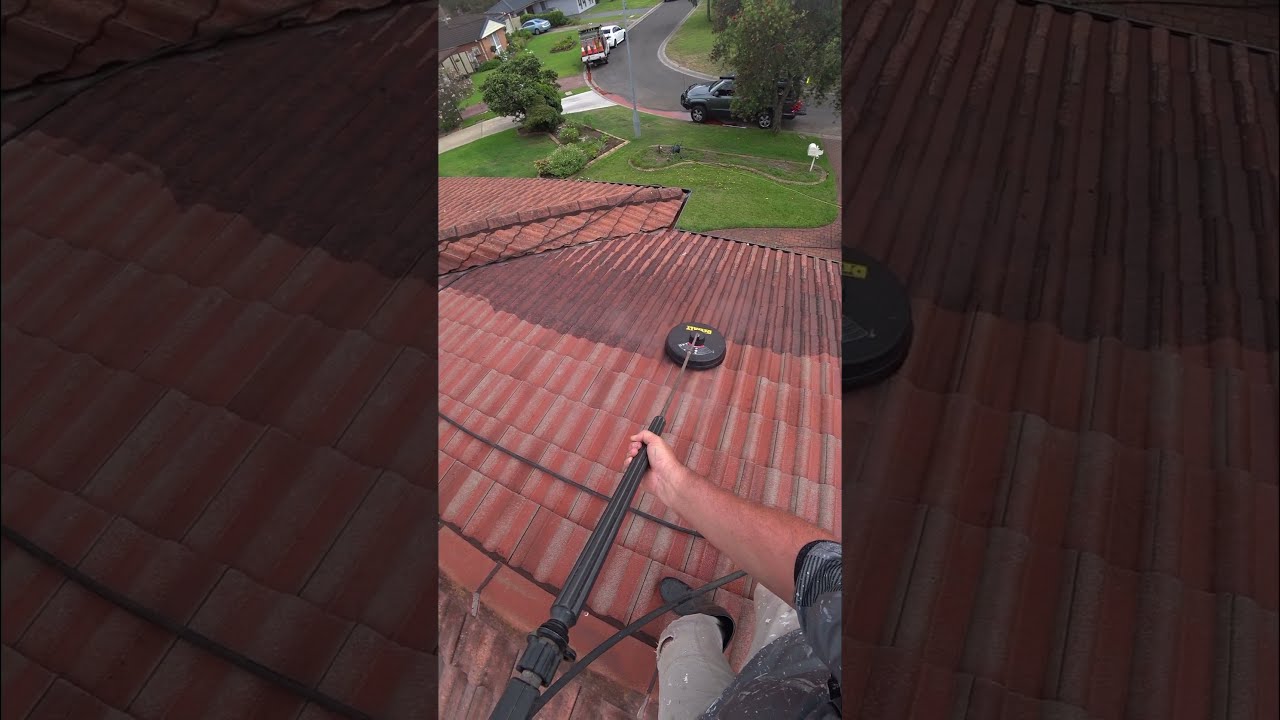
When approaching roof cleaning, high-heat power washing is rarely suitable. High temperatures can cause micro-fractures in older concrete roof tiles and degrade the protective coatings on Colorbond steel. Professional exterior cleaning practices rely on low-pressure "soft washing" techniques combined with targeted antifungal treatments, or low-to-medium pressure cleaning. This ensures deep cleaning without forcing high-temperature water beneath roof overlaps, which could saturate ceiling insulation and risk electrical hazards.
Environmental Compliance and Water Regulations in 2026
As water conservation standards and environmental protection protocols evolve, local property owners must remain mindful of their ecological footprint. Runoff regulations enforced by local Bayside councils and Environment Protection Authority (EPA) Victoria require that wash-water containing hydrocarbons, cleaning detergents, or detached paint flakes does not enter stormwater systems, which drain directly into Port Phillip Bay.
Modern pressure washing equipment incorporates low-flow water technology alongside advanced wastewater recovery systems. Unheated pressure cleaning generally uses less auxiliary fuel than power washing, making it the lower-emission choice for general residential maintenance. Regardless of the machine chosen, reputable operators utilize surface shields and catch-basin filters to prevent contaminated runoff from entering local marine ecosystems.
How to Assess Your Property's Cleaning Needs
Before scheduling exterior cleaning services, property owners should conduct a simple visual and tactile assessment to choose the safest, most effective process:
- Identify the Contaminant: Inspect the surface to determine whether the buildup is biological (algae, moss, lichen) or petroleum-based (grease, fuel, engine oil). Biological matter responds well to cold-water pressure cleaning and bio-treatments; oils require the thermal lifting power of power washing.
- Evaluate Material Hardness: Dense poured concrete and heavy stone can withstand heated power washing, whereas timber siding, limestone, sandstone, and render require gentle, cold-water cleaning.
- Check Surface Coatings: If a surface is painted, stained, or treated with a protective sealer, avoid high-heat washing to prevent premature stripping or blistering of the coating.
- Review Drainage Paths: Determine where wash-water will flow to ensure compliance with local stormwater runoff restrictions, particularly near sensitive Bayside beach access points.
Protecting Your Bayside Investment
Maintaining exterior appeal and structural integrity in coastal Melbourne requires a tailored approach. While power washing stands out as the ultimate remedy for heavy oil deposits, commercial spillages, and robust masonry, standard pressure cleaning remains the versatile, everyday workhorse for residential house washing, patio revitalization, and general surface renewal.
By applying the right combination of pressure, temperature, and technique to each unique exterior feature, Bayside property owners can effectively defend their homes against coastal wear, preserve manufacturer warranties on exterior claddings, and sustain property values well into 2027 and beyond.
Bayside Pressure Cleaning Pros
Unit 3/3-5 Arnold St, Cheltenham VIC 3192
ph. (03) 4517 6380